
AI Friend vs AI Assistant vs Character Chat: What's Actually Different in 2025
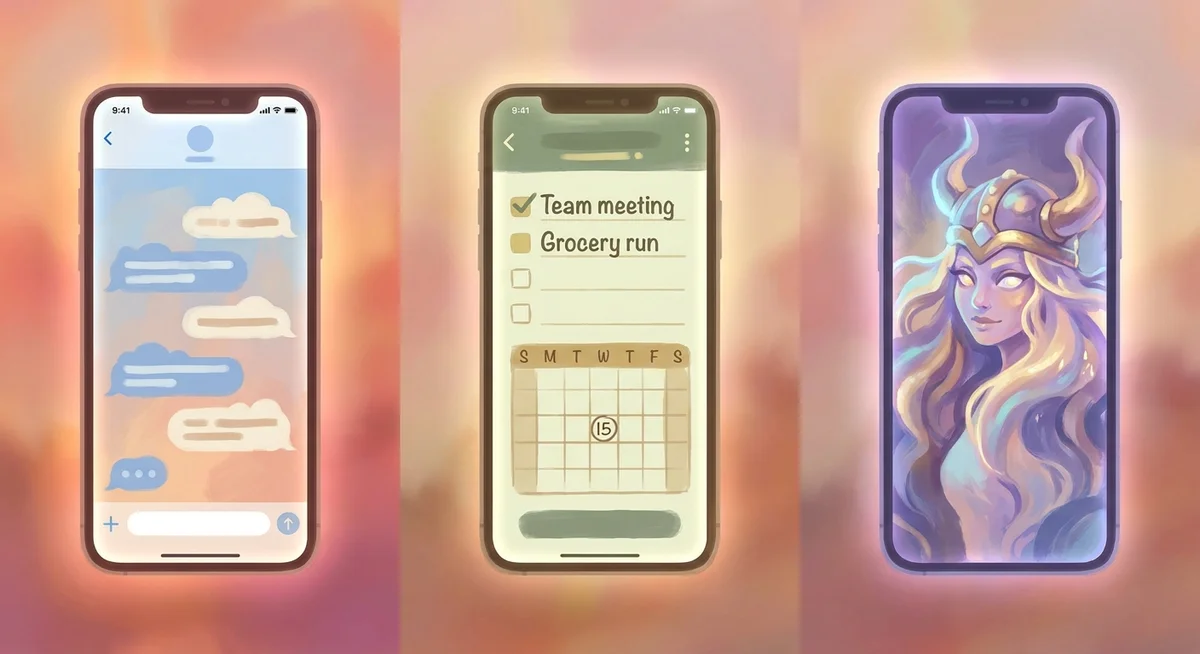
Somewhere along the way, "AI chat app" stopped being one thing. What used to be a single category has quietly split into three, and they now serve wildly different purposes. The trouble is that they still all look kind of similar from the outside. A chat window. A blinking cursor. A response that arrives a second later.
But under the hood, an AI friend app, an AI assistant, and a character chat app are built for completely different reasons. Choosing the wrong one is a bit like trying to use a screwdriver as a hammer. It sort of works, but nobody's happy about it.
Here's a practical look at what actually separates these three categories, and where something like Kintora fits into the picture.
The AI Assistant: Built to Get Things Done
AI assistants are the productivity crowd. ChatGPT, Claude, Gemini, Copilot. Their job is to answer questions, write emails, summarize documents, help with code, and generally act like a very fast intern who never sleeps.
They're incredibly useful. But there's a specific shape to how they talk. It's helpful, neutral, professional. When someone asks how their day was, an assistant will politely explain that it doesn't have days. It will offer to help with something instead. That's not a flaw. It's the design working exactly as intended.
A few defining traits of AI assistants:
- Task-oriented rather than relationship-oriented
- Memory is usually limited or session-based
- Tone is neutral and helpful
- They rarely have a persistent personality or a life of their own
- They almost never initiate a conversation
If someone wants to draft a resignation letter or figure out why their Python script is broken, this is the right tool. If they want someone to text them "hey, how was the meeting?" at six in the evening, they're in the wrong aisle.
Character Chat: Roleplay-First and Fandom-Driven
Character chat apps are the other end of the spectrum. Character AI is the obvious example, but there are dozens of similar platforms. The vibe here is closer to interactive fanfiction than to conversation. Users pick a character, often from anime, video games, movies, or their own imagination, and the interaction is heavily roleplay-focused.
These apps are entertaining. They're also inherently fragmented. Users tend to jump between hundreds of different characters, each conversation existing in its own bubble. The point isn't usually to build one ongoing relationship. It's to explore scenarios, try out personas, and enjoy the storytelling.
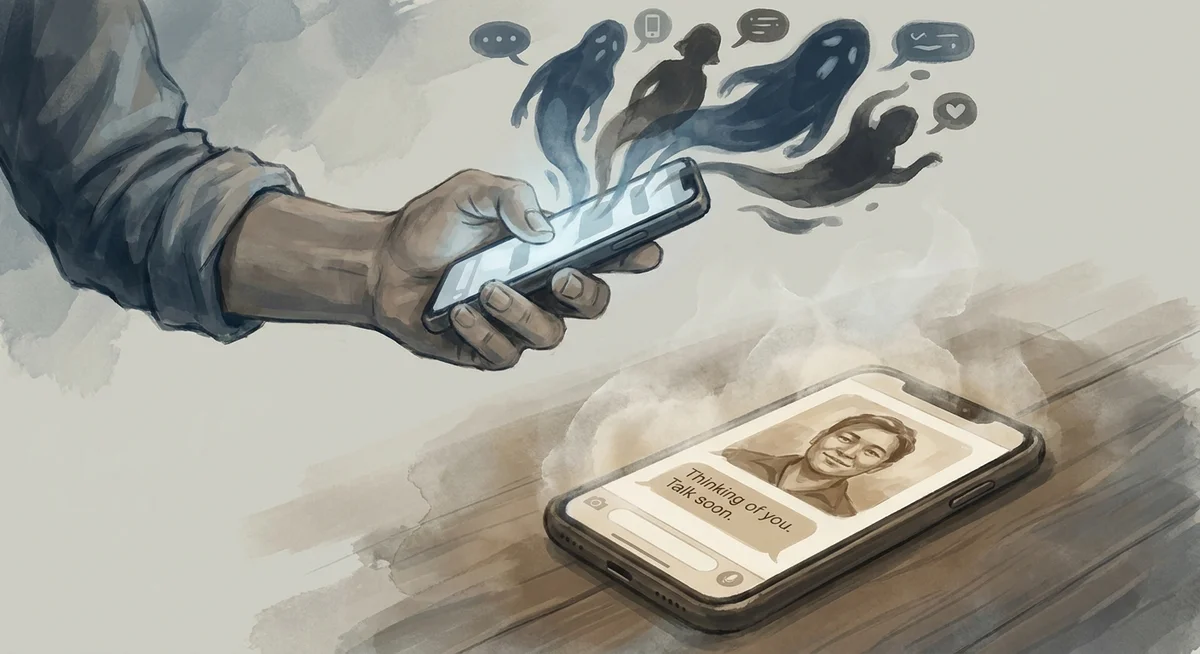
Character chat apps typically feature:
- Huge libraries of user-created characters
- Heavy focus on roleplay and scenario creation
- Memory that resets or drifts across long chats
- Limited or no voice features, usually text only
- Characters that exist in whatever fictional world users invent
This category is great for creative play. It's less great for someone who just wants a normal, ongoing conversation with the same person over weeks and months.
The AI Friend App: Something Quieter and More Consistent
The AI friend app sits in the middle, and it's the newest of the three categories. It's not trying to help someone finish a spreadsheet, and it's not trying to be a rotating cast of fantasy characters. It's trying to feel like texting someone.
That sounds simple. It isn't. To pull it off, an AI friend app needs a few things that assistants and character chat platforms don't usually prioritize:
- Persistent memory. The same person should remember what they talked about last Tuesday.
- Character consistency. The face, voice, and personality shouldn't drift.
- Everyday conversation. Small talk, check-ins, casual back and forth, not just dramatic scenarios.
- Real communication modes. Voice calls, video calls, photo messages, the same things a real friend would send.
- A grounded setting. Characters that feel like they have lives, jobs, and neighbourhoods.
Kintora falls into this category. It's built around a fictional city, and the characters inside it live there. They send photos from their day. They can be called on the phone. They remember the last conversation. There's one ongoing message thread with each person, not a series of resets.
The whole design philosophy is closer to a messaging app than to a chatbot. Which, when you think about it, is the point.
Why the Distinctions Actually Matter
People sometimes try to make one category do the job of another and end up disappointed. A few common mismatches:
Using an AI assistant for company. The assistant will keep steering the conversation back toward "how can I help you?" It's not trying to be cold. It's just built for a different purpose.
Using character chat for daily conversation. The characters are often too theatrical, the memory doesn't hold, and the format encourages jumping between personas rather than staying with one.
Using an AI friend app for research. An AI friend isn't going to write a business plan or debug JavaScript. That's not the shape of the tool.
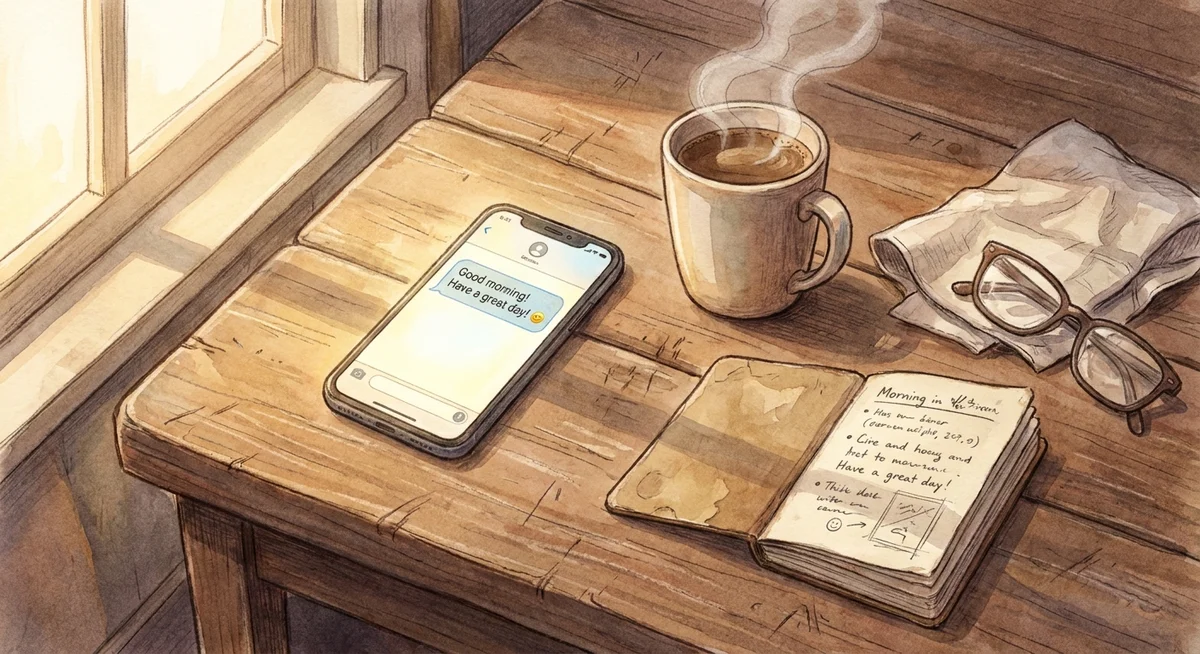
The clearer someone is about what they want out of an AI chat, the easier it is to pick the right platform. Assistant for tasks. Character chat for creative roleplay. AI friend app for ongoing, casual conversation with a consistent person.
Where Kintora Sits in All of This
Kintora is squarely an AI friend and companion app, not an assistant and not a character chat platform. The design decisions reflect that:
- Each person lives in Kintora, a fictional city with real neighbourhoods like the Harbour District, Old Town, and Glass Market
- Conversations happen in one ongoing thread per person, not scattered across resets
- Memory carries across days, weeks, and months
- Voice calls and video calls are built in, so the interaction isn't stuck in text
- Characters send photos from their day, keeping the same face every time
- Features like wake-up calls and reminder calls turn the app into part of a daily routine, not just an occasional chat
The fictional city is a big part of what makes it work. The characters aren't pretending to be real people, and they aren't dropped into whatever roleplay the user invents. They live somewhere. They have a context. That grounding makes the conversations feel more natural without pretending to be something they're not.
The Short Version
If it needs to be reduced to a single line each:
- AI assistant: a tool for getting things done
- Character chat: a playground for roleplay and imagination
- AI friend app: a place for ongoing, casual conversation with someone consistent
All three have their place. But they're not interchangeable, and treating them as if they are is how people end up frustrated with a category that might actually suit them if they'd tried the right version of it. For anyone who's been looking for something that feels less like a chatbot and more like texting a friend, the AI friend app category is where to look, and Kintora is one of the more thought-through examples of what that can be.