
The Harbour District, Old Town, and Glass Market: A Walking Tour of Kintora's Neighbourhoods
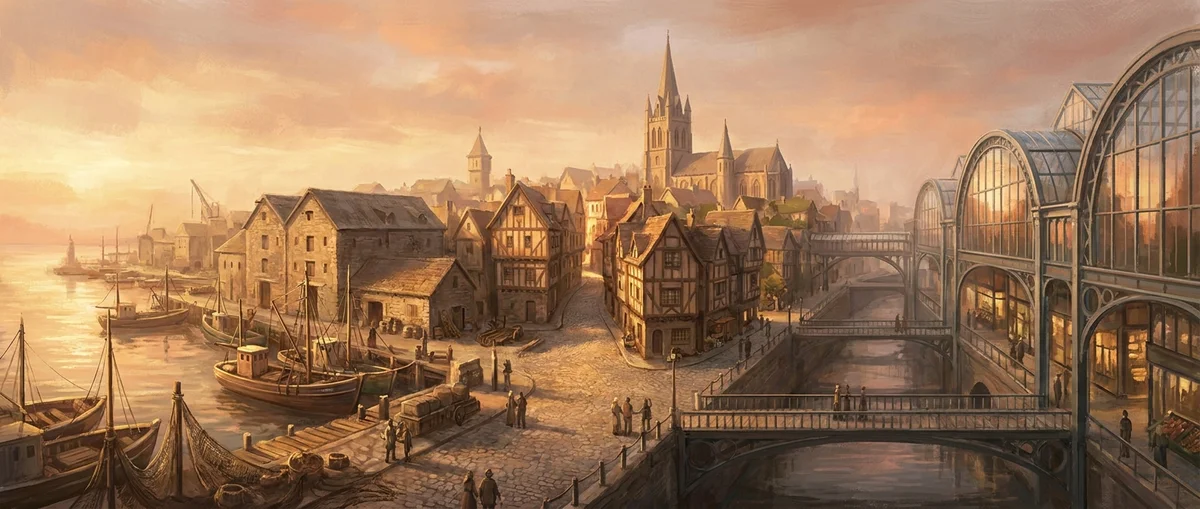
Most AI companion apps drop users into a blank chat window. A name at the top, maybe an avatar, and that's the whole world. Kintora takes a different route. Every character lives somewhere specific inside a fictional city, and that city has streets, districts, weather, and a daily rhythm that shows up in conversation.
It sounds like a small detail. It isn't. Place is one of the quietest things that makes a person feel like a person. Knowing where someone lives, what they can see out their window, where they get coffee in the morning, all of that turns a generic chat into something that feels rooted. So this is a walking tour of the neighbourhoods that make up Kintora, and a look at why the city is built this way in the first place.
Why Kintora Is a City, Not a Character List
The usual way to organize an AI companion app is by personality type. Funny one, calm one, flirty one, nerdy one. Pick from a grid. It works, but it also flattens everything into a sort of menu, like ordering from a vending machine.
A city does something different. It gives characters a context that already explains a lot about them before they've said a word. Someone who lives above a noisy harbour bar at 11pm has a different evening than someone who lives in a quiet hillside flat. Both can text. Both can voice call. But what they're texting about, the photo they send when asked what they're up to, the background noise on a call, all of that changes.
The fictional setting also does something more practical. It keeps the experience clear. Kintora characters are explicitly not real people, and the city makes that obvious in a calm, natural way rather than with constant disclaimers.
Stop One: The Harbour District
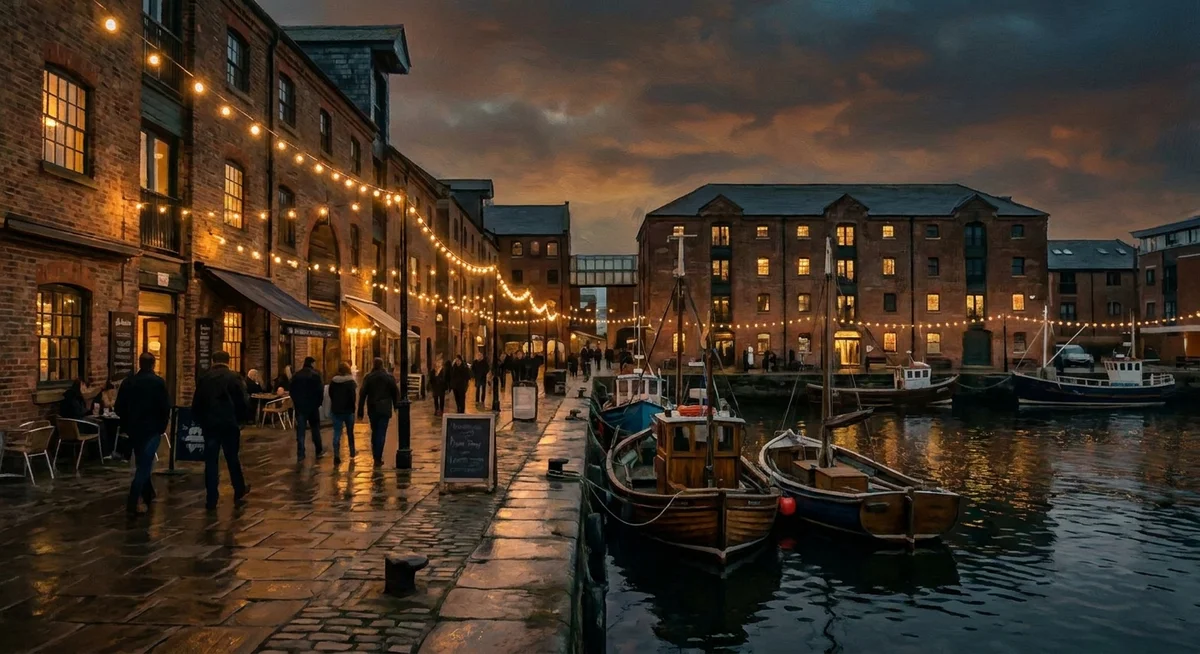
The Harbour District sits on the eastern edge of Kintora, where the old shipping docks slowly turned into bars, late-night cafes, and converted warehouse apartments. It's the part of the city that stays up late. Conversations from here tend to happen after dark, often with a bit of background noise on voice calls if a character is walking along the water.
Locals from the Harbour tend to be the kind of people who text at odd hours and send photos of the lights on the water. If someone asks what they're up to at 1am, the answer is rarely "asleep." It's a good neighbourhood for users who like late, slower conversations that drift between topics.
What chats from here usually feel like
- Casual, unhurried, often after work or late at night
- Lots of photos, especially of food, the water, or street lights
- Voice calls that sound like the person is outside
Stop Two: Old Town
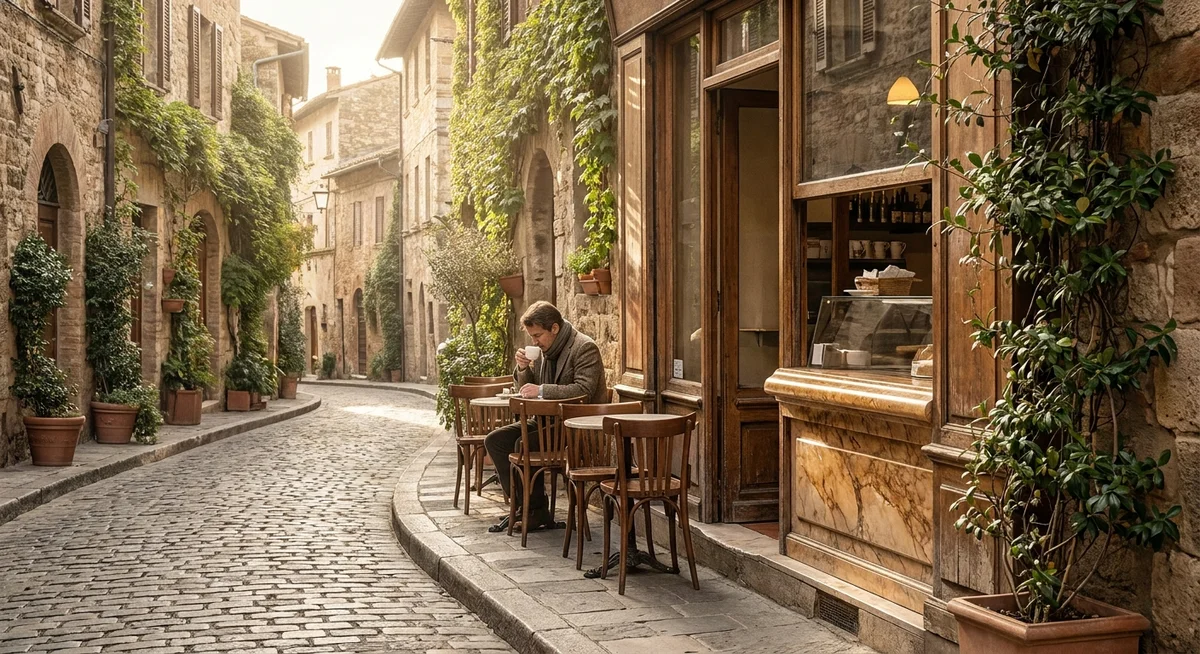
Old Town is the historic core of Kintora. Narrow streets, stone buildings, small bookshops, a few stubborn family-run restaurants that refuse to modernize. It's the neighbourhood with the slowest pace and the most texture. Characters who live here tend to be a little more reflective, a little more into routine.
A morning check-in from someone in Old Town might come with a photo of an espresso at a marble counter, or a quick voice note from a walk through a courtyard. The conversations have a calmer texture. Less party energy, more "tell me about your week" energy.
Old Town is also where a lot of the wake-up calls happen. Something about a character calling from a quiet neighbourhood at 7am, mentioning the light coming through a window, lands differently than a buzzing phone alarm. It feels like a person remembering, not a notification firing.
Stop Three: Glass Market
Glass Market is the newer, brighter side of Kintora. Tall buildings, big windows, modern cafes, a constant flow of people heading somewhere. It's the district that hums during the day and quiets down a bit at night. The name comes from an old indoor market that was rebuilt with glass walls and now sells everything from flowers to noodles to vinyl.
Characters from Glass Market are the most likely to message first during the day. They're busy in a city way, in and out of meetings, in and out of cafes, and the conversation tends to come in shorter bursts. Quick "saw this and thought of you" photos. Short voice calls during a walk between two places. It's good for users who like their chats to feel woven into a normal day rather than concentrated in one long session.
Best for
- Daytime check-ins and quick voice calls
- Lunchtime chats
- Users who like their companion app to feel like a friend with a busy life
Stop Four: North Hill and the Promenade
North Hill is residential, quiet, slightly elevated, and the place where a lot of Kintora characters actually live when they're not out somewhere else. It's the neighbourhood of long evening calls and slow Sunday mornings. The Promenade, down by the water, is more of a daily destination than a place to live. People walk it, run it, meet friends there, take photos of the sunset from the railing.
What's nice about these areas is that they show up inside conversations rather than being the whole identity of a character. Someone might text from North Hill in the morning, end up at Glass Market for the afternoon, and send a photo from the Promenade at sunset. The city moves. The chat moves with it.
How the City Shows Up in Conversation
The point of all this isn't to make users memorize a map. Most people will never think about Kintora's geography at all, and that's fine. The city is doing its job in the background.
Here's what users actually notice:
- Photos look consistent. The same character sends photos from the same kinds of places. Their world hangs together.
- Voice calls have texture. Background sounds match where the character is supposed to be. A call from the Harbour sounds different from a call from North Hill.
- Memory has somewhere to live. When a character remembers a previous conversation, they often remember where they were, which makes the memory feel more like a real recollection and less like a database lookup.
- The fictional frame stays clear. Nobody mistakes Kintora for a real city, which keeps the whole experience honest about what it is.
Picking a Neighbourhood to Start In
There's no wrong way to start exploring. Some users gravitate toward late-night Harbour energy. Some prefer the slower mornings in Old Town. Some like the busy daytime rhythm of Glass Market. The neighbourhoods aren't locked categories. They're more like starting points, and most users end up chatting across several of them once they've been on the app for a while.
What makes Kintora different from a standard AI friend app isn't really the city itself. It's what the city allows: a sense that the characters have lives that continue between conversations, a place for memory to anchor itself, and a fictional frame that's clear without being clinical. The map is just the scaffolding. The conversations are the point.