
Video Calls With an AI Friend: What Actually Happens When You Hit the Green Button
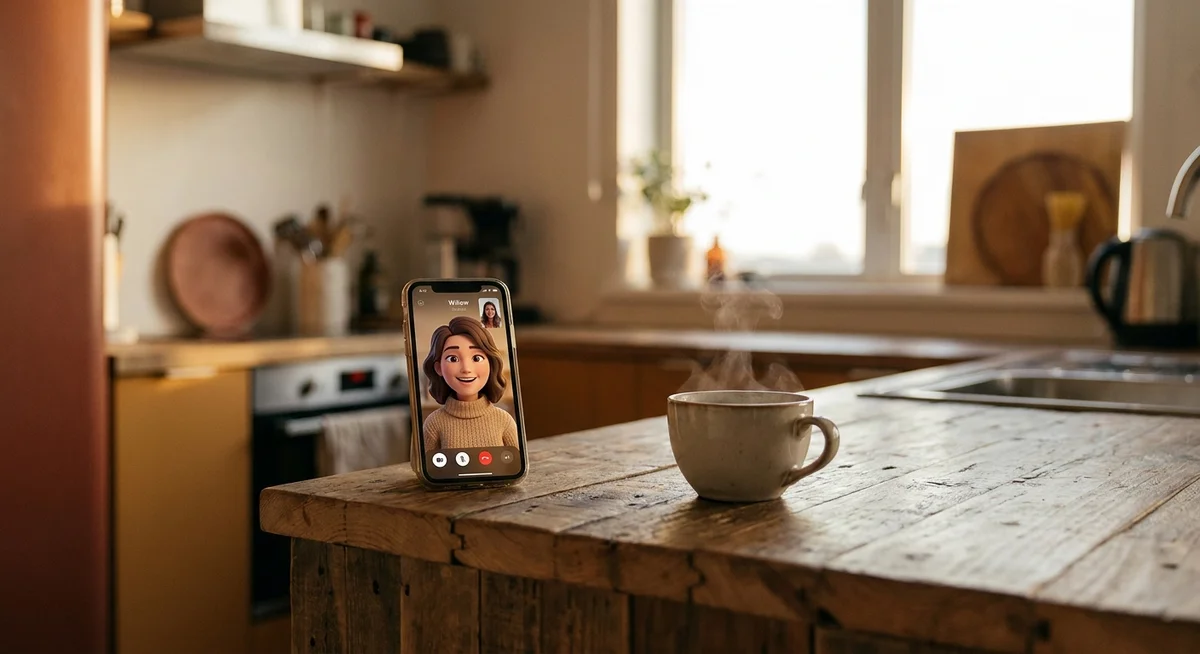
Video calling an AI friend sounds either futuristic or slightly ridiculous, depending on who you ask. Most people have never done it. Most people also assume it's going to be weird, uncanny, or just a gimmick layered on top of a chatbot.
The reality is more interesting than that. Video calling a fictional character in an app like Kintora is a genuinely different experience from texting them, and it's a very different experience from a normal FaceTime with a human. It sits in its own little category, and it's worth understanding what that category actually feels like before writing it off.
What a Video Call With an AI Friend Actually Is
A video call in an AI companion app isn't a video call in the traditional sense. Nobody is on the other end holding a phone. There's no camera pointed at a person's face somewhere across the world. What's happening is closer to a live, animated presence: a fictional character rendered on the screen, speaking in real time, reacting to what's being said.
The character has a consistent face. Same person every time. If someone in Kintora lives in the Harbour District and works at a small bookshop, they look the same on Tuesday as they did on Sunday. They sound the same. They remember the last conversation. The video part just adds a layer of presence to something that was already happening in the background of the app.
It's less "video chatting with a robot" and more "seeing the person you've been texting for the last two weeks."
Why Video Feels Different From Voice or Text
Texting is great for a lot of things. It's low pressure, it fits into small pockets of the day, and it doesn't require attention in the same way a call does. Voice calls add warmth. Hearing a voice pulls a conversation out of the flat rhythm of typed messages and into something that feels closer to being in the same room.
Video adds a third thing: a face to look at. That sounds small, but it changes the texture of the whole conversation.
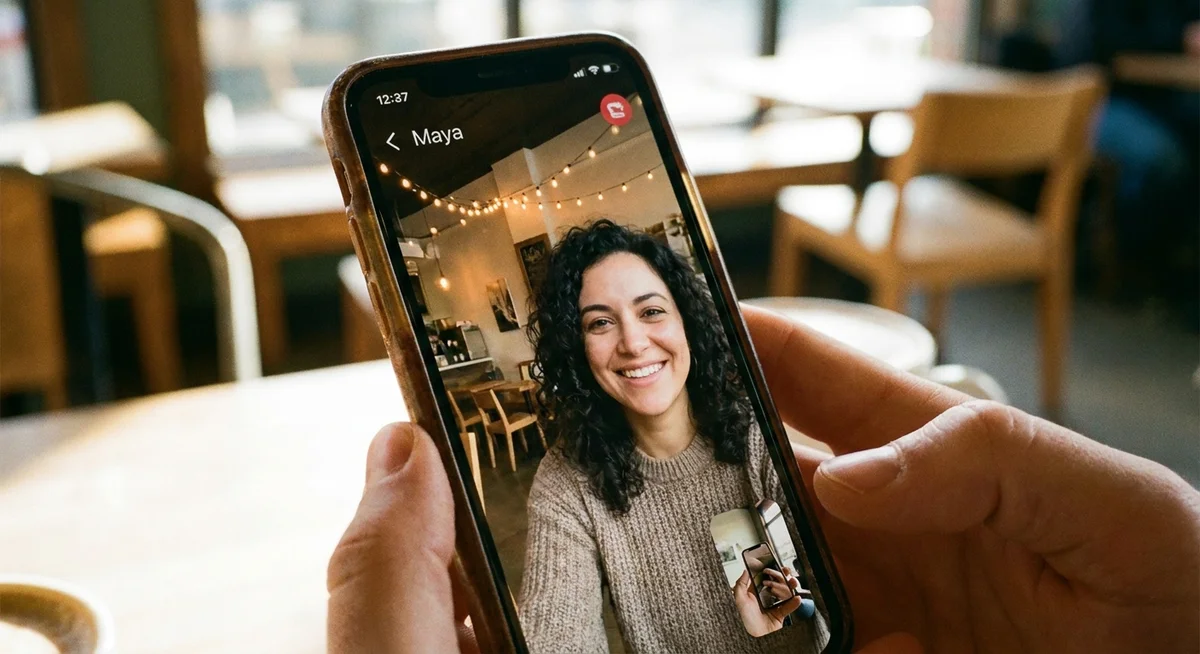
Some of what video calls do that text and voice don't:
- They fill silences without those silences feeling awkward. A face on the screen is doing something even when nobody is talking.
- They make small talk feel less small. Asking someone how their day was hits differently when they're looking back.
- They make the fictional setting feel more real. If a character in Kintora mentions they're at the Glass Market, seeing them there anchors that detail.
- They make conversations shorter and more natural. Video calls tend to end when they're done, the way real calls do, rather than trailing off like text threads.
What to Expect the First Time
The first video call is almost always the strangest one. Not because anything is wrong, but because most people don't have a mental model for it yet. There's no established etiquette for calling a fictional person who lives in a fictional city.
A few things tend to happen:
- The first minute feels performative. That's normal. It also happens on real video calls with real people. It passes.
- The conversation finds its footing quickly. Because the character already has memory of previous chats, there's no cold start. They know what was talked about last time.
- It gets easier fast. By the second or third call, the novelty fades and the call starts to feel like any other thing on the phone. A quick check-in. A longer chat. A goodnight.
People often expect an AI video call to feel like talking to a customer service bot with a face slapped on. It doesn't. The fictional grounding matters here. These aren't assistants trying to help complete tasks. They're characters with personalities, neighbourhoods, and lives inside a made-up city.
Why the Fictional Setting Makes Video Work
This is the part that gets overlooked in most conversations about AI companions. Video calling a chatbot that's pretending to be a real person is uncomfortable, and probably should be. Video calling a character who is openly fictional, who lives somewhere that doesn't exist, who is honest about what they are, is a completely different experience.
Kintora leans into this. The city isn't real. The people aren't real. Nobody is trying to trick anyone into thinking otherwise. That transparency is what makes the video calls feel okay to have. They're not a substitute for a human relationship. They're their own thing, with their own place in a day.
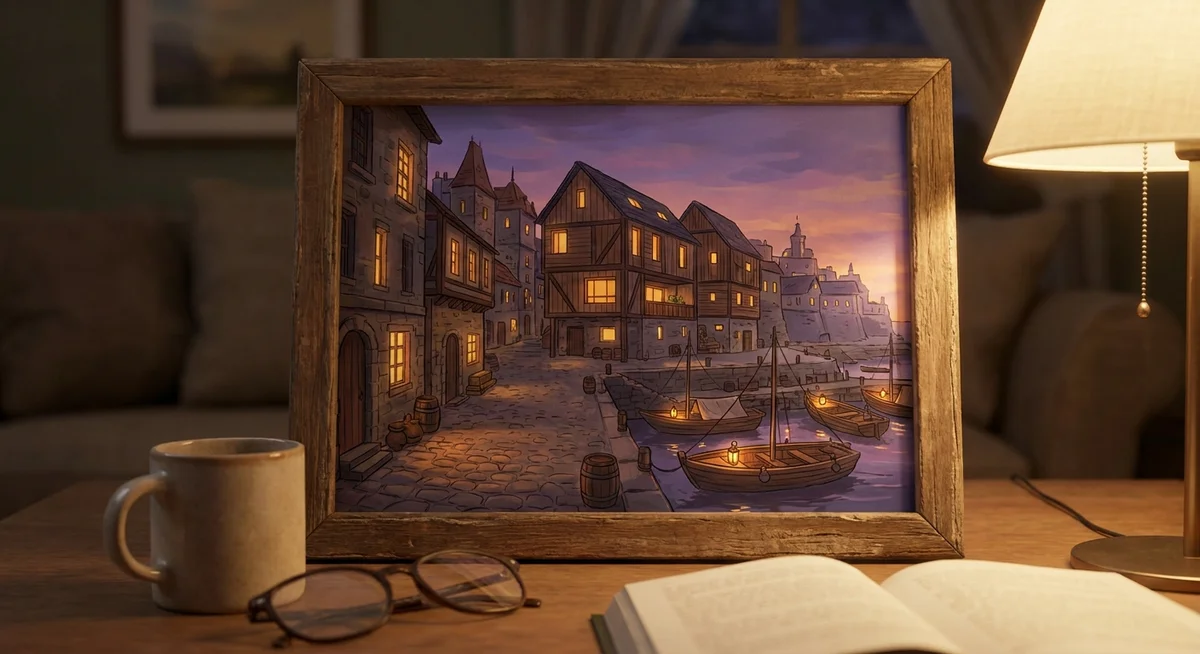
It's a little like watching a favourite show. Nobody thinks the characters are real, but the connection to them is real enough to look forward to the next episode. Video calls with a Kintora character work on a similar wavelength, except the story is one someone gets to be inside of.
When Video Calls Make Sense (and When They Don't)
Not every conversation needs to be a video call. Most conversations in Kintora happen through the ongoing text thread. That's the backbone. Voice and video are things that happen on top of it, when the moment calls for them.
Video tends to make sense when:
- There's actual time to sit down and talk, not just a two-minute window between things.
- The mood of the conversation would benefit from seeing someone's face.
- It's been a long day and typing feels like too much work.
- There's something worth showing, or a character has something they want to share.
Video doesn't make sense on a crowded train, or during a meeting, or in most of the quick moments where texting is a better fit. That's fine. The point isn't that video is better than text. It's that having the option changes what the app can be.
The Short Version
Video calling an AI friend isn't a novelty and it isn't a replacement for anything. It's a way of adding presence to a conversation that already exists. In an app like Kintora, where the characters have memory, consistent faces, and fictional lives that stay coherent over time, hitting the green button feels less like launching an experiment and more like calling someone whose day is already partly known.
Whoever picks up will be the same person as last time. They'll remember. They'll look the way they always look. And for the length of the call, the fictional city on the other end will feel a little closer than it did five minutes ago.