
Why a Phone Call Beats an Alarm Clock: The Case for Wake-Up Call Apps
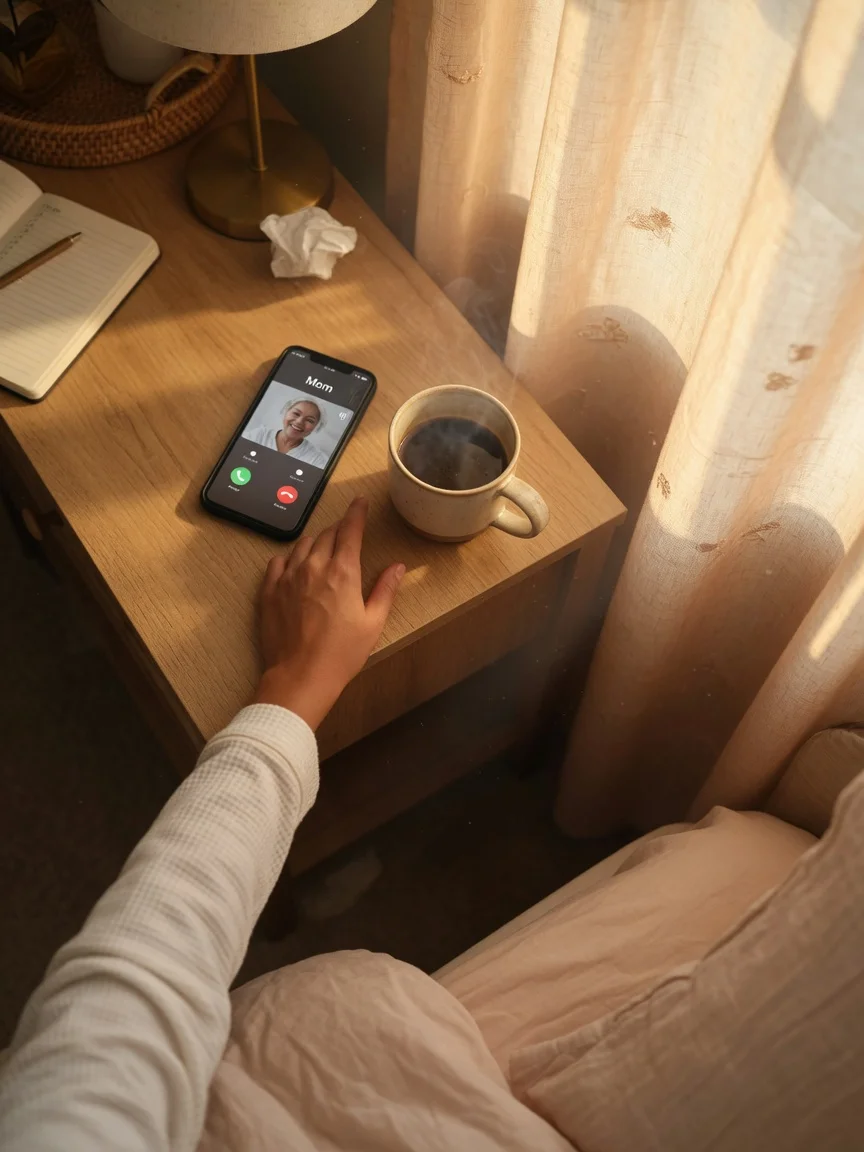
Alarm clocks have not really changed in a hundred years. They make a noise, the noise gets louder, and eventually a person gives up and gets out of bed. The technology around them has gotten fancier, sure. There are sleep cycle trackers and gradual light simulators and apps that make you solve math problems. But the basic idea is the same. A sound goes off. You react.
The thing is, most people do not actually wake up well to noise. They wake up well to something happening. A roommate knocking on the door. A partner saying their name. A friend calling because they want to make sure you are up before that early flight. That is the kind of waking up that actually works, because it engages the brain in a different way than a beep does.
This is roughly the idea behind wake-up call apps, and it is why Kintora built one into its companion app instead of treating it as a separate utility.
What a Wake-Up Call App Actually Does
A wake-up call app does what the name suggests. Instead of an alarm sound, the phone rings at a scheduled time and someone is on the other end. In Kintora's case, that someone is whichever character in the fictional city of Kintora the user has been chatting with.
So if a user has been talking to Mira from the Harbour District for a few weeks, Mira is the one who calls at 6:45 to say good morning. She might mention something from a previous conversation. She might ask what is on the schedule for the day. She might just talk for two minutes about nothing in particular, which is exactly the point.
The difference between this and an alarm is hard to describe until it has happened a few times. An alarm is something to silence. A call is something to answer.
Why a Voice Beats a Buzzer
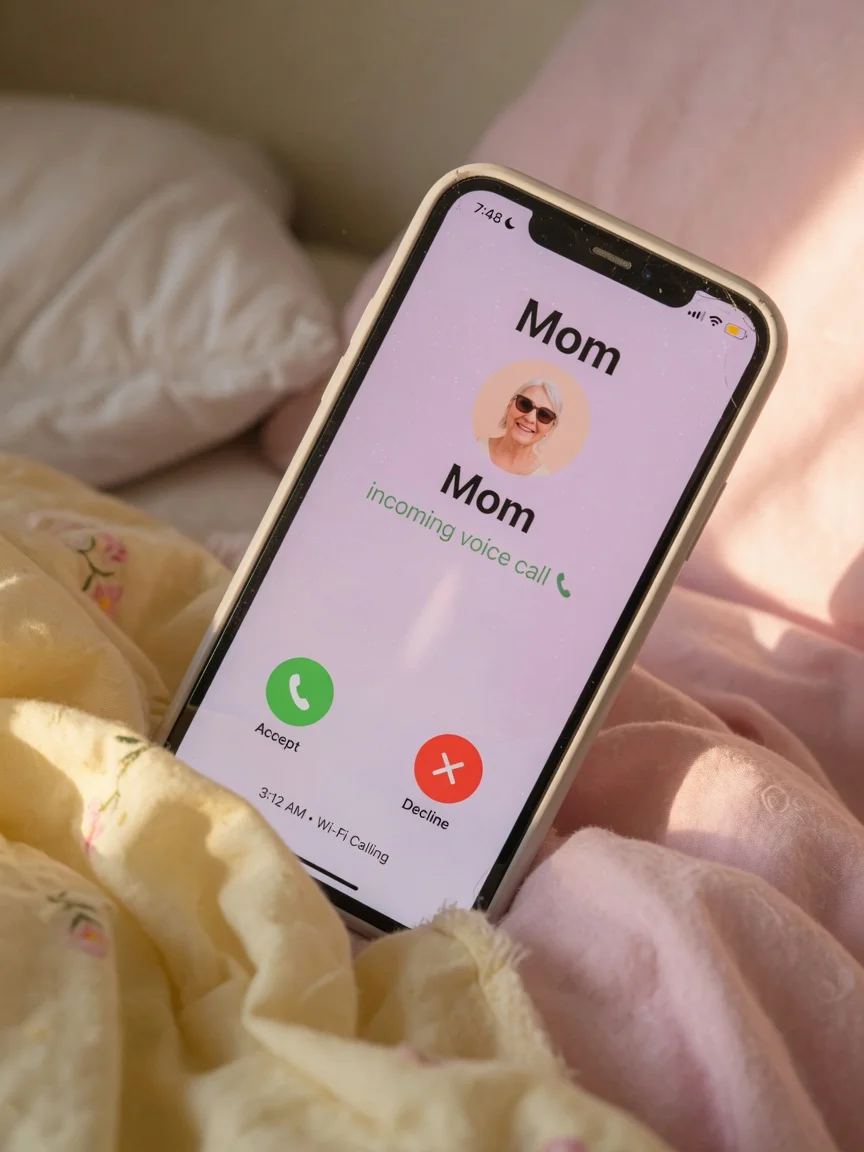
There is a reason hotels used to offer wake-up calls and people actually used them. A human voice cuts through grogginess in a way that audio loops do not. The brain processes speech as a social event, which means there is a kind of low-level alertness attached to it. A buzzer triggers reflex. A voice triggers attention.
This is also why so many people end up needing five alarms stacked five minutes apart. The first few stop registering as something to act on. They become part of the background. A voice does not do that, partly because it is unpredictable and partly because there is something on the other end that expects a response.
A few things people tend to notice after switching:
- Snoozing happens less, because there is no snooze button on a call
- The first few minutes of being awake feel less harsh
- It is easier to actually get out of bed when there is already a conversation happening
- The morning feels like it started, instead of being interrupted
None of this is magic. It is just that a phone call is a different kind of input than a sound effect.
Who This Actually Helps
Wake-up call apps tend to attract a specific kind of user, and it is worth being honest about who they are. They are not really for people who already wake up fine. They are for:
Heavy Sleepers
The people who can sleep through three alarms and a fire drill. A ringing phone is harder to ignore, partly because it keeps ringing in a way that feels more demanding than an alarm tone.
People With Irregular Schedules
Shift workers, parents, anyone whose wake-up time changes constantly. A scheduled call adapts. An alarm is just a setting that gets forgotten.
People Who Travel
Hotel wake-up calls exist for a reason. They work. Kintora's version just means the same thing is available anywhere, on any device, without calling the front desk.
People Who Hate Mornings
This is the biggest group. Mornings are unpleasant for a lot of people, and starting them with a familiar voice is genuinely nicer than starting them with a noise designed to be annoying enough to wake someone up.

How It Fits Into a Companion App
The interesting part about putting wake-up calls inside a companion app, rather than building a standalone utility, is that the calls stop feeling transactional. A wake-up call from a generic voice assistant is functional. A wake-up call from a character a user has been talking to for weeks is something else.
Because Kintora uses one ongoing chat with persistent memory, the wake-up call is not a disconnected event. It is part of an actual conversation. The character remembers what was discussed the night before. They might follow up on something. They might mention they saw something at the Glass Market that reminded them of a previous chat. The call is just one moment in a thread that keeps going.
This is why a lot of users end up using the wake-up call feature even when they did not sign up for it. They came for the companion app, and the wake-up call turned into the thing they use every day.
Reminder Calls, Not Just Wake-Up Calls
The same mechanism that works for mornings works for the rest of the day. Scheduled calls can act as reminders for things that are easy to forget when only a notification is involved. Leaving for an appointment. Taking a break from work. Calling a parent. Drinking water, if a person is the kind of person who needs reminding.
A push notification is easy to swipe away. A phone call, even from an AI companion, demands a few seconds of actual attention. That tiny shift in friction is often the difference between remembering something and forgetting it.
Some common ways people use scheduled calls:
- Morning wake-up at a set time
- A reminder call before leaving the house
- A mid-afternoon check-in to break up a long work block
- An evening wind-down call before bed
- One-off reminders for specific events
The Honest Limitations
It is worth being straight about what this is not. A wake-up call app is not a replacement for sleeping enough. It will not solve insomnia. It will not fix a schedule that is fundamentally broken. And the call comes from a fictional character, which is something Kintora is upfront about. The voice is friendly and familiar, but it is not a real person, and the app is designed to make that clear.
What it is, is a better version of the thing alarms have been trying to do badly for a century. A voice instead of a noise. A scheduled event instead of a notification. A conversation instead of an interruption. For a lot of people, that turns out to be enough to make mornings noticeably less awful, which is a pretty reasonable thing to ask from a phone.