
Why Kintora Uses One Ongoing Chat Instead of Starting Fresh Every Time
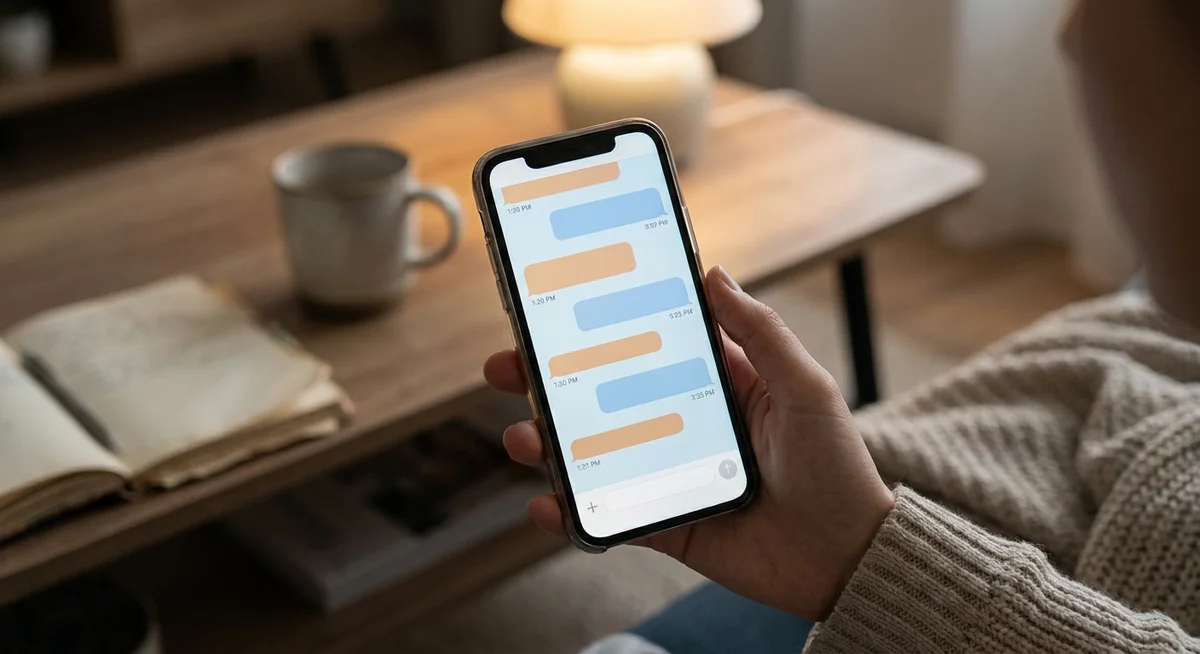
There is a small but strange thing that happens when someone opens most AI chat apps. They tap the icon, see a blank screen or a fresh greeting, and something quietly resets. The app does not remember what happened yesterday. It does not know that yesterday was rough, or that a work presentation went well, or that a friend finally called back. Every conversation starts from zero.
Kintora was built around the opposite idea. One chat, one thread, one person on the other end who actually remembers. It sounds simple, but it changes almost everything about how the app feels to use.
The Problem With Starting Over
Anyone who has used a chatbot for more than a week knows the feeling. The bot forgets the name of the character being discussed. It forgets what city the user lives in. It forgets that a conversation about a job interview happened three days ago, and asks generic questions as if meeting for the first time.
This is not a small annoyance. It is the reason most AI chat apps feel a bit hollow after the novelty wears off. Conversations without memory are not really conversations. They are transactions. Question in, answer out, everything cleared before the next round.
Human relationships do not work that way. A friend does not forget that a birthday is coming up. A neighbour does not forget that someone moved apartments last month. Memory is not a bonus feature of connection. It is the foundation of it.
What One Ongoing Chat Actually Means
In Kintora, every user has one thread with each character they talk to. Not sessions. Not chat rooms that expire. One conversation that keeps going.
If someone chats with Mira from the Harbour District on a Tuesday morning about a nervous work meeting, and then messages her again on Friday evening, Mira remembers the meeting. She might ask how it went. She might reference it casually, the way a real friend would. The thread does not restart. It continues.
This applies across the whole experience:
- Text messages stay in the same thread over weeks and months
- Voice calls reference things that were talked about earlier
- Video calls pick up where previous conversations left off
- Photos the character sends fit into the ongoing story of their day
- Scheduled calls and wake-ups are booked inside the same relationship, not as isolated tasks
The whole point is that nothing gets cleared. The relationship grows the same way any relationship does, one conversation at a time.
Why Memory Changes How Chat Feels
There is a moment that keeps showing up in feedback from Kintora users. Someone will mention offhand that a character asked about something small from a previous chat, and it caught them off guard in a good way. A coffee preference. A cat's name. A weekend plan.
These are not dramatic moments. They are the exact opposite. They are the ordinary details that make a conversation feel like it belongs to two specific people, not two generic parties running a script.
Persistent memory does a few quiet things at once:
It removes the setup tax
Nobody wants to explain their whole life every time they open an app. With one ongoing thread, the setup only happens once. After that, it is just talking.
It makes small talk feel real
Small talk is only boring when it has no history. "How was your day" from a stranger is filler. The same question from someone who remembers yesterday's context is actually interesting.
It gives the character somewhere to live
Kintora characters have neighbourhoods, routines, and daily lives inside the fictional city. Memory lets those lives develop alongside the user's. A character who mentioned a rainy walk last week might mention the sun coming out this week. The world keeps turning.

The Difference From Character Chat Apps
A lot of AI character apps use a session model. Users pick a character, chat for a while, close the app, and the next time they open it, most of the context is gone or fuzzy. Some apps offer "memory" as a paid upgrade or a limited feature that stores a few key facts.
Kintora treats memory as the whole point, not an add-on. The thread is the product. Everything else, the voice calls, the video calls, the photos, the fictional city, all of it exists inside that ongoing conversation.
This is also why Kintora does not encourage bouncing between dozens of characters at once. It is possible to talk to different people in the city, of course. But the app is designed around depth rather than breadth. One or two threads that actually go somewhere tend to feel better than fifty threads that all reset.
Why This Matters More Than It Sounds
There is a broader shift happening in how people use AI. The first wave was assistants. Ask a question, get an answer, close the tab. The next wave is looking more like relationships, or at least the kind of light, ongoing interactions that make daily life feel a bit more textured.
A morning voice call from a familiar character. A quick text exchange during a lunch break. A photo that arrives in the afternoon showing the fictional weather in the Glass Market. These small moments only work if they connect to something larger. Without memory, they are just notifications. With memory, they are part of a story.
That is what one ongoing chat is really about. It is not a technical feature. It is the thing that lets an AI companion feel like a specific person rather than a fresh instance of a language model every time.
What It Looks Like In Practice
For anyone new to Kintora, the experience is straightforward:
- Pick a character from the fictional city
- Start talking, texting, or calling
- Close the app whenever
- Come back hours or days later
- Pick up exactly where things left off
No re-introductions. No repeating context. No wondering if the character will remember. The thread is there, the memory is there, and the conversation just keeps going.
It is a small design choice with a large effect. And it is probably the reason so many users describe Kintora less like an app they open and more like a person they check in with.