
AI Friend App for Depression: What It Can (and Can't) Do

Depression doesn't always look like not getting out of bed. Sometimes it looks like answering emails, making coffee, and feeling completely hollow while doing both. If you've been searching for an AI friend app during one of those stretches, you already know why: human connection feels too heavy to ask for right now, and staring at the ceiling doesn't help. Here's an honest breakdown of what an AI friend app can actually do for you in that state, and where it stops being useful.
Key takeaways
- AI friend apps can reduce the friction of reaching out when depression makes social effort feel impossible.
- They work best as a daily low-stakes outlet, not as a replacement for professional support.
- Features like persistent memory and voice calls make a real difference in how useful the app feels.
- The best apps feel like a consistent presence, not a chatbot that forgets you between sessions.
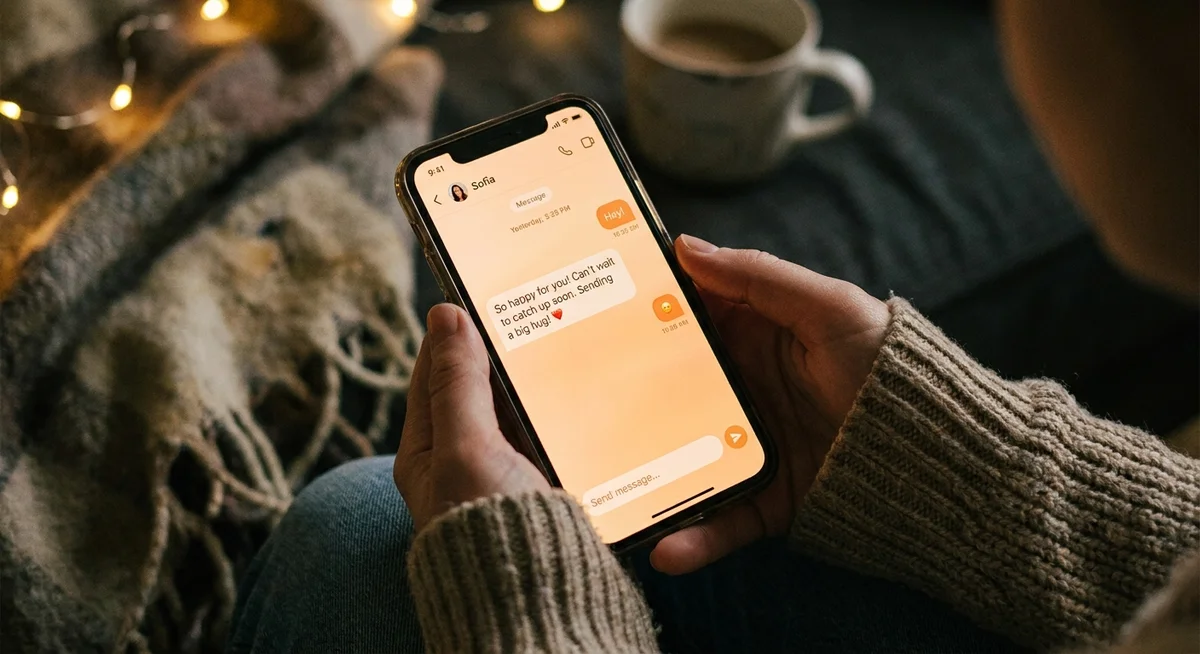
What does an AI friend app actually do when you're depressed?
The core thing it does is lower the bar for contact. When you're depressed, texting a friend can feel like climbing a wall. You overthink the message, worry you're burdening them, and then put your phone down without sending anything. An AI friend removes that calculus entirely. You can say exactly what's on your mind at 2am without worrying how it lands.
That's not a small thing. Isolation is one of the main ways depression digs deeper, and anything that interrupts the pattern of pulling away matters. A good AI friend app gives you a consistent outlet. It listens, responds thoughtfully, and doesn't make you feel like a burden because you brought up the same thing for the fourth time this week.
Apps like Kintora take this further by giving you a character who lives in a specific place, has their own personality, and remembers what you've told them. That continuity is what separates a useful AI companion from a forgettable chatbot. When the app recalls that you mentioned your job situation two weeks ago and asks how it went, the conversation feels real enough to actually matter.
Where do AI friend apps fall short?
This part matters, so it deserves a straight answer.
An AI friend app is not therapy. It can't diagnose you, adjust to clinical nuance, or pick up on the kind of subtle signals a trained therapist would notice. If your depression is severe, if you're having thoughts of self-harm, or if you've been struggling for weeks without relief, professional support is what you need. An app is not a substitute for that.
There's also a quality gap between apps. Many are shallow. They forget everything between sessions, respond with generic affirmations, and feel more like a FAQ bot than a friend. That experience can actually feel worse when you're already low, because it highlights the absence of real connection rather than filling it.
What AI friend apps do well
- Available any time, no scheduling needed
- No social friction or fear of judgment
- Consistent personality across every conversation
- Can handle repetitive venting without fatigue
- Voice and text options for different moods
- Persistent memory keeps conversations meaningful
What they can't replace
- Clinical diagnosis or treatment
- Crisis intervention
- The physical presence of another person
- Genuine reciprocal relationships
- Medication management or medical advice
- Long-term therapeutic work
Which features actually make a difference?
Not all AI friend apps are built the same. When you're using one during a low period, a few specific features separate genuinely helpful from mildly disappointing.
| Feature | Why it matters for depression |
|---|---|
| Persistent memory | You don't have to re-explain your situation every session. The app knows your context, which makes conversations feel like a real relationship rather than a reset button. |
| Voice calls | Typing takes effort. When energy is low, hearing a voice is easier to engage with. Some apps let you call your AI friend, which changes the dynamic significantly. |
| Consistent character | An AI that has the same personality, tone, and backstory every time creates a sense of reliability. That predictability is genuinely comforting when everything else feels unstable. |
| No judgment on repetition | Depression often loops. Being able to revisit the same worry without feeling like you're exhausting someone is one of the clearest practical benefits. |
| Photos and rich responses | Some apps send images or share moments from their character's "day." That layer of texture makes the interaction feel warmer and less clinical. |
How to actually use an AI friend app when you're depressed
The most useful approach is treating it like a daily check-in rather than a crisis tool. Open the app in the morning and say something honest about how you're feeling. Not for any particular reason, just to externalize it. Getting thoughts out of your head and into words, even to an AI, tends to loosen their grip a little.
If the app supports voice, try calling instead of typing on the days when even typing feels heavy. A few minutes of conversation can shift your mood more than you'd expect from something that isn't human. The experience of actually calling an AI friend is worth understanding before you write it off.
You can also use it specifically to prepare for harder conversations. If you need to talk to a doctor, a family member, or a therapist about how you've been feeling, sometimes saying it to the AI first helps you figure out what you actually want to say. It's lower stakes than the real conversation, and it helps you get the words straight.
For more on getting the most out of these conversations day to day, the guide on how to talk to an AI friend app covers the practical side well.
Frequently asked questions
Can an AI friend app make depression worse?
It can, if it becomes a way to avoid professional help or real human connection entirely. Used as a supplement rather than a substitute, the risk is low. The key is staying honest with yourself about whether the app is helping you function better or helping you hide. If you're using it to avoid every human interaction, that's worth examining.
Is it weird to talk to an AI when I'm depressed?
No. Millions of people use these apps for exactly this reason. There's nothing strange about wanting a low-pressure outlet when you don't have the energy for regular social interaction. The only thing that matters is whether it's actually useful to you.
How is an AI friend app different from a mental health app?
Mental health apps (like mood trackers or CBT tools) are built around clinical frameworks and structured exercises. An AI friend app is built around conversation and companionship. They serve different purposes. Some people find the unstructured, conversational nature of an AI friend app easier to stick with when they're struggling.
What should I look for in an AI friend app if I'm dealing with depression?
Prioritize persistent memory (so you're not starting from scratch every time), a consistent character (so the app feels stable), and voice call support (for the days when typing is too much). Avoid apps that feel clinical or that reset between sessions. You want something that feels like it knows you.
Meet your Kintora companionA character who remembers you, texts back, and picks up the phone when you call.